




Product | 13 Jul 2026
In any industrial setup, compressed air is often called the fourth utility right alongside electricity, water, and gas. From powering pneumatic tools to supporting manufacturing processes, it plays a critical role in keeping operations running smoothly.
But here's something many businesses overlook: the quality of that compressed air.
Even the most advanced air compressor can lose efficiency if the air moving through the system isn't properly filtered. Dust, oil, moisture, and other contaminants may seem insignificant, but over time, they can reduce equipment performance, increase energy consumption, and lead to costly repairs.
That's why investing in the right air compressor filtration system isn't just about protecting your compressor it's about improving productivity, reducing maintenance costs, and ensuring uninterrupted operations.
Why Clean Compressed Air Matters
Every air compressor draws in large volumes of atmospheric air. While this air may appear clean, it often contains dust particles, moisture, oil vapours, pollen, and other contaminants.
Without proper compressed air filtration, these impurities travel through the compressor and into the entire air distribution system.
The consequences can include:
- Reduced equipment efficiency
- Premature wear of pneumatic tools
- Product contamination
- Increased maintenance requirements
- Higher operating costs
Clean compressed air not only protects your machinery but also helps maintain consistent production quality and improves the overall lifespan of your equipment.
Understanding the Different Types of Compressor Filters
An efficient air compressor system relies on multiple filters, each designed to perform a specific function.
1. Air Compressor Air Filter: The Air Compressor Air Filter is the first line of defence. It prevents dust, dirt, and airborne particles from entering the compressor, protecting internal components from unnecessary wear.
2. Air-Oil Separator: In oil-lubricated compressors, the air-oil separator removes oil from compressed air before it reaches downstream equipment. Efficient separation reduces oil carryover, improves air quality, and minimizes lubricant loss.
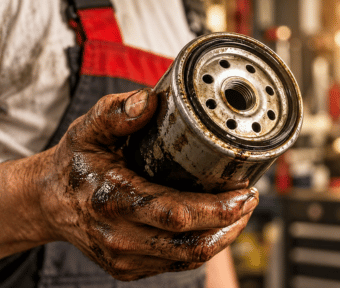
3. Oil Filter: The oil filter removes contaminants from the compressor lubricant, ensuring smooth operation and protecting critical moving parts from damage.
4. Inline Compressed Air Filters: Installed after compression, these filters remove moisture, oil aerosols, and fine particles before compressed air reaches machines or production lines.
Each filter plays an important role, and together they ensure the compressor operates efficiently while delivering clean, reliable compressed air.
The Hidden Cost of Contaminated Air
Contaminated compressed air doesn't always cause immediate failures. Instead, it gradually affects system performance until problems become expensive.
Common issues include:
- Clogged valves and pipelines
- Increased wear on pneumatic equipment
- Reduced production efficiency
- Product quality issues
- Frequent maintenance shutdowns
- Shortened compressor life
In industries where precision is critical, even microscopic contaminants can impact the final product and lead to costly rework or rejected batches.
Ignoring filtration may save money today, but it often results in significantly higher maintenance costs tomorrow.
Better Filtration Can Lower Energy Consumption
Energy is one of the largest operating costs associated with industrial air compressors.
When filters become clogged, the compressor has to work harder to maintain the required pressure. This increased workload means higher electricity consumption and unnecessary strain on the system.
A clean, well-maintained industrial air filter allows unrestricted airflow, helping the compressor operate more efficiently.
The benefits include:
- Lower power consumption
- Improved airflow
- Stable operating pressure
- Reduced load on compressor components
- Lower operating expenses
Simply replacing filters at the recommended intervals can contribute to noticeable energy savings over the life of the compressor.
Preventing Unplanned Downtime
Few things are more disruptive to a manufacturing facility than unexpected equipment failure.
When an air compressor goes offline, entire production lines may come to a standstill. Delivery schedules are delayed, productivity drops, and maintenance costs increase.
Proper air compressor filtration helps minimize these risks by preventing contaminants from damaging critical components.
By maintaining clean airflow throughout the system, businesses can reduce unexpected breakdowns and improve overall equipment reliability.
For industries where uptime is essential, effective filtration becomes an investment in operational continuity rather than just another maintenance expense.
Best Practices for Air Compressor Maintenance
Keeping your compressor running efficiently doesn't require complicated maintenance it requires consistency.
Here are a few best practices:
- Inspect air filters regularly.
- Replace clogged filters before airflow is restricted.
- Follow manufacturer-recommended maintenance schedules.
- Monitor pressure drops across filtration systems.
- Replace oil filters and air-oil separators as required.
- Use genuine, high-quality replacement filters.
Routine maintenance not only extends compressor life but also helps maintain energy efficiency and reduce long-term operating costs.
Why Choosing Quality Filtration Makes a Difference
Not all filters deliver the same level of performance.
High-quality filtration solutions are designed to:
- Capture finer contaminants
- Maintain consistent airflow
- Increase dirt-holding capacity
- Reduce pressure loss
- Improve compressor efficiency
- Extend equipment life
While lower-cost filters may seem economical upfront, they often require more frequent replacement and may not provide the same level of protection.
Investing in premium filtration solutions helps reduce maintenance expenses while maximizing equipment reliability and productivity.
Final Thoughts
Air compressors are among the hardest-working assets in any industrial facility, and the quality of the air they process has a direct impact on performance, energy efficiency, and maintenance costs.
By investing in effective air compressor filtration, businesses can reduce energy consumption, protect valuable equipment, minimize downtime, and extend the life of their compressor systems.
In the long run, it's not just about cleaner air it's about smarter operations, lower costs, and greater reliability.
Ready to Improve Your Air Compressor Performance?
The right filtration solution can make all the difference. Whether you're looking to reduce maintenance costs, improve energy efficiency, or extend the life of your equipment, choosing high-quality compressor filters is a smart long-term investment.
Explore Fleetguard's range of advanced air compressor filtration solutions and find the right products for your industrial applications. Our experts can help you select the ideal filtration system to keep your operations running efficiently with minimal downtime.
Contact Fleetguard today to learn more about our industrial filtration solutions and discover how the right filters can help your business save more while performing better.