




Product | 08 Jan 2026
Modern vehicles rely on air more than fuel and mechanics to perform reliably. They depend on clean air flowing to the right places, at the right time, and for the right purpose. That is why vehicles use more than one type of air filter. Each serves a distinct role. Confusing one for the other can lead to avoidable performance issues, higher maintenance costs, and an uncomfortable driving experience.
Here’s what you need to know about engine air filters and cabin air filters, how they differ, and why both deserve your attention.
Why Vehicles Use Different Air Filters
Air carries dust, dirt, moisture, pollen, soot, and microscopic contaminants. Left unchecked, these particles cause wear, reduce efficiency, and affect health. Vehicles therefore rely on Auto Air Filters for engine protection and cabin air filters for occupant comfort. While both manage air quality, their functions do not overlap. Each protects a different system, and both are critical to long-term reliability.
What Is an Engine Air Filter?
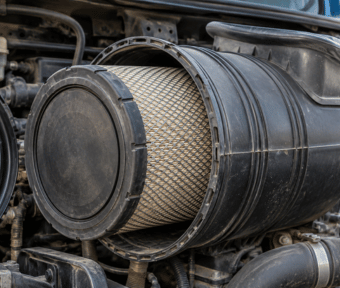
An engine air filter is the first line of defence for your engine. Its job is simple but essential. It prevents dirt, dust, and debris from entering the combustion chamber while allowing sufficient airflow for efficient fuel combustion.
Clean air supports proper air-fuel mixing. When airflow is unrestricted and contaminant-free, engines operate efficiently, deliver consistent power, and maintain fuel economy. When filters clog, airflow drops. Combustion suffers. Over time, this leads to higher fuel consumption, reduced engine output, and accelerated wear.
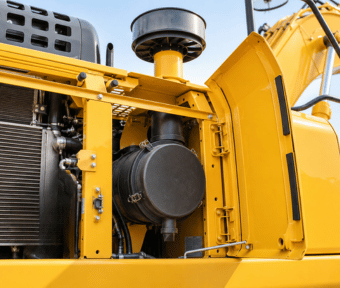
Engine air filtration is not limited to passenger vehicles. It extends to Automotive Air Filters, Industrial Air Filters, and applications such as Air Compressor Air Filter systems where Air Compressor Filtration and Compressed Air Filtration are essential to protect equipment operating in dusty or demanding environments.
What Is a Cabin Air Filter?
A cabin air filter works in a completely different environment. It filters the air you breathe inside the vehicle. Positioned within the HVAC system, it traps dust, pollen, soot, bacteria, and other airborne contaminants before they enter the cabin.
A well-functioning cabin filter improves air quality, reduces odours, and supports efficient airflow through the air conditioning and heating system. Over time, a clogged filter restricts airflow, strains components, and allows pollutants to circulate inside the cabin.
For drivers and passengers, especially those with allergies or respiratory sensitivities, the best car cabin air filter is not a luxury. It is a necessity. High-quality cabin air filters also absorb unpleasant odours and harmful gases, ensuring a cleaner, more comfortable driving environment.
Key Differences Between Air Filter and Cabin Air Filter
The most common confusion arises when people treat the air filter and cabin filter as interchangeable. They are not. Here are the practical differences that matter.
Purpose
Engine air filters protect the engine. Cabin air filters protect passengers and HVAC components.
Location
Engine air filters sit in the air intake system. Cabin filters are housed behind the dashboard or near the HVAC intake.
Impact
A clogged engine air filter affects fuel efficiency, power, and engine life. A clogged cabin filter affects air quality, airflow, and climate control performance.
Replacement Triggers
Engine air filters typically show symptoms like reduced mileage or sluggish performance. Cabin filters reveal issues through weak airflow, musty smells, or increased cabin dust.
Ignoring either leads to problems, just in different ways.
Why Both Filters Are Critical
Engines depend on clean air for efficient combustion. Passengers depend on clean air for comfort and health. Skipping maintenance on either filter compromises the system it protects.
Poor engine air filtration allows abrasive particles to enter the engine, accelerating wear and increasing maintenance costs. Poor cabin air filtration degrades air quality, strains HVAC systems, and reduces overall driving comfort.
In commercial fleets and industrial environments, these effects multiply. Downtime increases. Operating costs rise. Preventive filtration becomes a cost-control strategy, not just a maintenance task.
Conclusion
Engine air filters and cabin air filters serve different purposes, but both are essential. One protects the engine that moves your vehicle. The other protects the air you breathe inside it. Neglecting either affects performance, comfort, and long-term costs.
Fleetguard designs air filtration solutions to support both engine performance and cabin comfort across applications. Fleetguard Air Filters ensure optimal airflow, protect engines from contaminants, and support fuel efficiency in vehicles ranging from passenger cars to heavy-duty equipment.
Fleetguard Cabin Air Filters are manufactured to meet stringent OEM requirements. They trap dust, pollen, soot, bacteria, and other contaminants, absorb odours and harmful gases, and help extend the life of HVAC systems through consistent airflow.
For more information on Fleetguard’s complete air filtration range and expert guidance on choosing the right solution, visit Fleetguard Filtrum.