



Product | 26 Dec 2025
Auto Air Filters play a quiet but essential role in engine protection. Every engine depends on a steady supply of clean air to maintain proper combustion. Dust, debris, and moisture may seem harmless individually, but once they enter the intake system, they accelerate wear on pistons, cylinders, and turbochargers.
Over time, restricted airflow affects power, fuel efficiency, and emissions. Changing the air filter at the right time is less about routine and more about understanding how your engine actually operates.
Why Air Filters Matter More Than You Think
Air entering an engine is never clean by default. Even in urban environments, fine dust and airborne particles are constantly present. In industrial zones, construction areas, or highways with heavy traffic, contamination levels rise sharply.
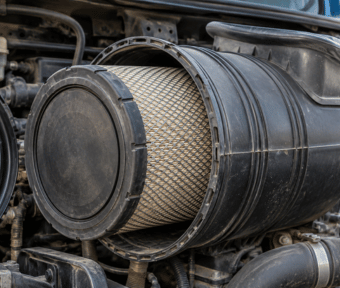
This is why Automotive Air Filters exist. Their job is to trap harmful particles while allowing enough airflow for efficient combustion. When filters are clean, engines breathe freely. When filters clog, airflow drops, combustion suffers, and internal components face unnecessary stress. Over time, what seems like a simple maintenance delay turns into higher operating costs.
Factors That Affect Air Filter Change Intervals
Operating Conditions Matter
There is no universal replacement interval that fits every vehicle. Operating conditions play a major role. Vehicles driven on dusty roads, near construction sites, or in agricultural and mining environments accumulate contaminants far faster than those driven primarily on clean highways.
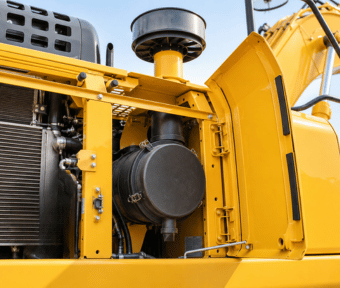
In such cases, Industrial Air Filters and heavy-duty intake systems are designed to manage higher dust loads, but they still require regular inspection. Waiting for a fixed mileage interval often means the filter has already been overloaded.
Duty Cycle and Usage
Equipment using Air Compressor Air Filter systems or Compressed Air Filtration setups often runs continuously in demanding environments. In these cases, replacement schedules are based on operating hours and contamination exposure rather than distance covered.
Indicators That Signal Filter Replacement
Engine Performance Signals
Engines usually communicate when airflow becomes restricted. Reduced power during acceleration, slower throttle response, increased fuel consumption, or black smoke in diesel engines are all common indicators. These symptoms suggest the engine is working harder to compensate for limited air intake.
Ignoring these signals forces the engine to operate outside its optimal range. Fuel burns less efficiently, temperatures rise, and long-term wear increases.
Air Restriction Indicators
Many modern systems include air restriction indicators that monitor pressure drop across the filter. When airflow resistance reaches a critical level, these indicators provide a clear signal that replacement is due.
Relying on these indicators removes guesswork. Instead of changing filters too early or too late, you respond to actual operating conditions. This approach is particularly effective for fleets and heavy-duty applications where consistency matters.
Following OEM Guidelines & Choosing the Right Air Filtration Solution
OEM guidelines are a useful starting point, but they are not absolute rules. They assume average conditions and standard usage. Real-world operation is rarely average.
The simplest approach is regular inspection combined with timely replacement. Visual checks, restriction indicators, and performance feedback together give a clearer picture than mileage alone. This method applies equally to passenger vehicles, commercial fleets, and systems using Air Compressor Filtration.
Filter quality directly affects how long replacement intervals can be safely extended. Media efficiency, structural integrity, and sealing performance all matter. Poor-quality filters clog faster and may allow fine particles to bypass the media altogether.
As a trusted filtration solution provider, Fleetguard designs air filtration systems that meet stringent OEM performance requirements across applications. Fleetguard Air Filters are engineered to protect engines operating in both clean and harsh environments, from passenger vehicles to heavy-duty equipment.
Conclusion
There is no single answer to how often you should change your auto air filter. The right interval depends on operating conditions, usage patterns, and how closely you pay attention to performance signals. What remains constant is the importance of clean air to engine health. High-quality air filtration makes this process predictable rather than reactive.
Explore Fleetguard’s air filtration range to find the right solution for your application and keep your engines protected where it matters most.