




Product | 14 Nov 2025
Clean air is one of the most important requirements for engine health. Industry studies show that nearly 90 percent of engine wear is caused by contaminants entering through the air intake. Dirt, dust, and moisture don’t simply reduce performance; over time, they change the way an engine breathes, burns fuel, and manages emissions. This is why air filtration isn’t just a maintenance item. It is a core part of engine protection and long-term reliability.
If you manage vehicles, generators, compressors, or industrial systems, this blogs will help you understand how the quality of your air filter directly influences how long your equipment will last.
How Air Filtration Impacts Engine Lifespan
An engine consumes far more air than fuel. For every liter of fuel burned, it can draw in thousands of liters of air. When that air carries contaminants, the effects show up quickly. Abrasive particles act like sandpaper inside the engine. They damage cylinder walls, clog intake systems, and affect combustion efficiency.
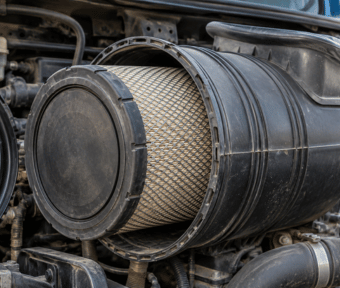
A high qualityair filter keeps abrasive particles out, protects moving components, and ensures a balanced air–fuel mixture. You’ll notice smoother operation, stable power delivery, and longer intervals between major repairs. Over the life of a vehicle or machine, this difference is significant. Air filtration becomes one of the simplest ways to extend engine life without expensive modifications.
The Link Between Air Filtration and Emission Control
Modern engines rely on precise airflow to meet strict emission requirements. When dust or moisture disrupts that flow, combustion becomes unstable. Engines burn fuel less efficiently, and emission systems must work harder to compensate.
A stable supply of clean air supports complete combustion. It also reduces the load on downstream emission components, such as catalytic converters or particulate filters. Whether you operate light vehicles, heavy equipment, or industrial compressors, the path to cleaner emissions begins at the air intake.
This becomes even more important when dealing with compressed systems. Poor Air Compressor Filtration affects pressure stability and increases oil carryover. High-quality Air Compressor Air Filter and Compressed Air Filtration solutions help maintain consistent output and cleaner downstream air quality.
Problems Caused by a Clogged or Poor-Quality Air Filter
You will often see signs before a filter fails completely. Some appear subtle. Others are immediate.
Common issues include:
- Reduced acceleration or sluggish engine response
- Higher fuel consumption
- Excessive smoke due to improper air–fuel balance
- Strange intake noises or whistling
- Premature wear of pistons, rings, and valves
- Increased maintenance frequency
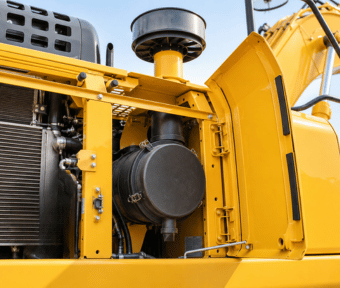
Industrial and mobile equipment suffer similarly. Clogged Industrial Air Filters force engines to overwork, which increases heat and shortens engine life. Poor-quality filters also allow fine dust to pass through, eventually leading to costly downtime.
Features to Look for in a Good Air Filter
Choosing an air filter shouldn’t be a guesswork exercise. You need clarity on filtration efficiency, dust-holding capacity, and structural strength.
Here are the essential features:
- High filtration efficiency
Filters must capture fine particles without restricting airflow. Quality Automotive Air Filters use engineered media designed for optimum performance. - Strong dust-holding capacity
A filter should be designed for superior dirt retention, helping maintain smooth and consistent air delivery to the engine. - Moisture and corrosion resistance
Moisture-resistant filtration ensures better protection and stable operation. - Durable construction
Heavy-duty vehicles and equipment need filters built to handle vibration and variable operating conditions. - OEM-grade compatibility
Proper fitment ensures there are no leaks, gaps, or bypass paths that let unfiltered air enter the system.
Conclusion
Clean air is fundamental to engine life and emission control. When you choose high-quality filtration, you protect your engine from abrasive contaminants, reduce maintenance costs, and maintain cleaner emissions. Fleetguard leads the industry in advanced air filtration, catering to OEMs across commercial, industrial, and passenger vehicle applications. Fleetguard Air Filters are designed to block damaging contaminants while maintaining optimal airflow. With engineered filtration media, strong structural integrity, and high dust-holding capability, Fleetguard ensures engines run cleaner, last longer, and deliver consistent performance.
Explore the full range of Fleetguard Air Filters to ensure your engine receives clean, stable airflow throughout its lifecycle. Visit Fleetguard website and get in touch with our team for guidance on the right filtration products for your equipment. Your engine’s longevity starts with the right air filter.