




Product | 28 Nov 2025
Hydraulic systems keep your machinery moving. They lift, push, steer, and power countless operations across industries. But the same systems that deliver precision and strength are also highly vulnerable to contamination. Even a small amount of dirt or moisture can interrupt performance or cause failures that come without warning. That’s why understanding how Hydraulic Filters work, and how they protect your machines, is essential for anyone responsible for equipment reliability.
This guide breaks down where contaminants come from, the risks they create, how to choose the right filter, and why working with a trusted manufacturer makes all the difference.
How Contaminants Enter Hydraulic Systems
Contamination builds quietly over time. You’ll find that most hydraulic systems are exposed to a mix of contaminants long before problems show up.
Common sources include:
- Ingress from the environment: Dust, dirt, and moisture enter through breather caps, worn seals, damaged hoses, or during routine maintenance. Even clean workshops carry airborne particles small enough to harm hydraulic components.
- Internal wear: Hydraulic pumps, cylinders, and valves generate small metal particles as they wear. These particles circulate in the fluid, accelerating wear in other areas.
- Poor-quality or improperly handled hydraulic fluids: Contaminated fluid from storage tanks, drums, or transfer equipment introduces debris before the fluid even reaches the machine.
- Water contamination: Moisture enters through breathing vents or condensation. Over time, this leads to rust, corrosion, and fluid breakdown.
Hydraulic systems operate at extremely high pressure, so even microscopic contaminants can create significant damage if not removed quickly.
Risks of Poor Hydraulic Filtration
If contaminants are left unmanaged, the consequences escalate fast. You may not notice the early signs. Machines may operate slightly slower. Valves respond less sharply. Pumps run hotter. But over time, poor filtration leads to:
- Accelerated wear of pumps, valves, and cylinders
- Reduced hydraulic power and efficiency
- Erratic system performance due to sticking valves or clogged passages
- Overheating as fluid flow becomes restricted
- Sudden equipment failure that halts operations
It’s estimated that nearly 90 percent of hydraulic failures are directly linked to contamination. That number highlights a simple truth: filtration is not optional, and compromising on filter quality will always cost more later.
How to Choose the Right Hydraulic Filters
Choosing a hydraulic filter isn’t only about finding something that fits the system. You need to match the filter to the level of contamination expected, the fluid used, the pressure range, and the working environment. Here’s what to look for:
- Filtration efficiency: Check particle retention ratings, especially ?-ratios, to understand how efficiently a filter captures contaminants.
- Dirt-holding capacity: The filter must hold enough contaminant to protect the system between service intervals. Off-highway and industrial applications usually require higher capacity filters than on-highway equipment.
- Pressure requirements: Match the filter to the system’s pressure level-low, medium, or high. Using an under-rated filter in a high-pressure zone can result in collapse or flow restriction.
- Media type: Cellulose media works for standard filtration needs, but synthetic media delivers higher efficiency and longer life. Cleanable wire mesh is useful for equipment exposed to coarse contaminants.
When in doubt, consult a trusted partner. Hydraulic Oil Filter Manufacturers In India, especially companies serving OEMs, understand how to match filter specifications to system demands across industries.
Types of Hydraulic Filters
Hydraulic systems rely on several filter types, each with a specific purpose. You will typically work with:
- Suction Filters: Placed before the pump to catch large particles and prevent pump damage.
- Return-Line Filters: Located on the return side to remove contaminants before fluid re-enters the tank.
- Pressure-Line Filters: Installed after the pump to protect valves and actuators. These handle the highest pressures.
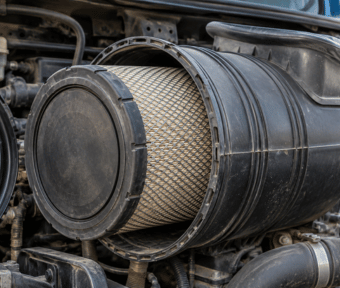
- Spin-On Filters: Compact, easy to replace, and commonly used in mobile equipment.
- Air Breathers: Prevent airborne moisture and dust from entering the tank when the system draws in air.
A strong manufacturer like Fleetguard, one of the top Hydraulic Oil Filtration Machine Manufacturer In India and a wide range of Filter Manufacturers In India covers all these categories.
Conclusion:
Hydraulic filtration is one of the simplest and most effective ways to protect your machinery. The right filters prevent contamination, reduce wear, extend component life, and keep your operations running without interruption. At Fleetguard, every category of Hydraulic Filters-pressure-line, return-line, suction, spin-on, and air breathers are designed and tested to deliver high dirt-holding capacity, superior contaminant removal, and reliable performance in the harshest environments.
All these filter types are available through our hydraulic filtration portfolio, and customization options are also offered to meet unique equipment demands. If you’re looking for filtration solutions that match your expectations and deliver long-term protection, explore Fleetguard’s complete hydraulic filtration range or contact our team for expert guidance. Get in touch with Fleetguard today to explore filtration products that work as hard as you do.