




Product | 03 Jun 2026
Commercial vehicles operate under demanding conditions every day. From carrying heavy loads across long distances to navigating challenging terrains, truck engines face constant stress. While regular maintenance is essential, one common mistake many vehicle owners make is changing the engine oil without replacing the oil filter.
The reality is that engine oil and filters work together as a complete engine protection system. Replacing one without the other can compromise engine performance, increase wear, and reduce the benefits of routine maintenance.
Let's understand why changing both is non-negotiable for trucks, tractors, and other heavy-duty vehicles.
Understanding the Role of Truck Engine Oil
Truck engine oil is often called the lifeblood of the engine - and for good reason.
Its primary functions include:
- Lubricating moving engine components
- Reducing friction and wear
- Dissipating heat
- Preventing corrosion
Over time, engine oil collects dirt, soot, metal particles, and combustion by-products. As contamination increases, the oil gradually loses its effectiveness and can no longer provide the protection your engine requires.
When selecting engine oil, vehicle owners often compare factors such as viscosity grade and performance specifications. Searches related to 15W40 engine oil price are common among fleet operators because 15W40 is one of the most widely used grades for commercial vehicles. Similarly, many users search for 20W40 engine oil used to understand its suitability for specific operating conditions and vehicle types.
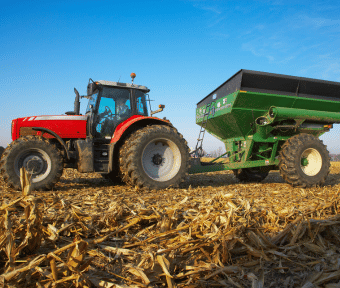
For agricultural equipment, selecting the best engine oil for tractor applications is equally important, as tractors often operate under high loads and varying environmental conditions.
What Does a Lube Oil Filter Do?
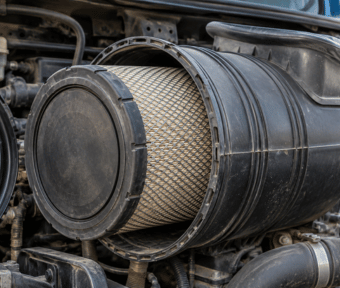
While engine oil lubricates the engine, the oil filter is responsible for removing contaminants from the oil.
Every time oil circulates through the engine, it carries microscopic dirt particles, soot, and debris. The oil filter traps these contaminants before they can damage sensitive engine components.
Without effective filtration:
- Contaminants continue circulating through the engine
- Engine wear accelerates
- Oil quality deteriorates faster
- Fuel efficiency may decline
- Maintenance costs increase
Simply put, clean oil depends on an efficient filter.
Why Changing Only the Oil Is Not Enough
Many vehicle owners assume that fresh oil alone is sufficient for engine protection.
However, an old filter already contains contaminants accumulated during the previous service interval. When new oil passes through a dirty filter, contamination can quickly re-enter the lubrication system.
This leads to:
Reduced Oil Performance
Fresh oil becomes contaminated sooner than expected.
Restricted Oil Flow
A clogged filter may limit lubrication to critical engine components.
Increased Engine Wear
Contaminants can damage bearings, pistons, cylinder liners, and turbochargers.
Shorter Oil Life
The effectiveness of new oil is compromised much earlier.
Replacing both components together ensures maximum protection and performance.
The Risks of Poor-Quality Oil and Filters
Not all oils and filters offer the same level of protection.
Low-quality engine oil may break down faster under extreme temperatures and operating conditions. Similarly, inferior filters may have lower contaminant-holding capacity and reduced filtration efficiency.
The consequences can include:
- Premature engine wear
- Reduced fuel efficiency
- Increased downtime
- Costly repairs
- Shortened engine life
This is why businesses increasingly rely on trusted filter manufacturers in India that provide filtration products designed for demanding commercial applications.
Choosing reliable filter suppliers in India ensures that vehicles receive quality filtration solutions capable of maintaining engine cleanliness and performance.
Recommended Replacement Intervals for Engine Oil and Filters
There is no universal service interval that applies to every truck.
Replacement schedules depend on factors such as:
- Vehicle type
- Engine design
- Operating conditions
- Load requirements
- Fuel quality
- Oil specifications
However, one rule remains consistent:
Whenever engine oil is changed, the oil filter should also be replaced.
Following OEM recommendations and preventive maintenance schedules can help maximize engine reliability and minimize operating costs.
Factors That Affect Oil Change and Filter Replacement
Several operating conditions can influence how frequently oil and filters should be changed.
Dusty Environments
Construction sites, mining operations, and rural roads expose engines to higher contamination levels.
Heavy Loads
Heavy-duty operations generate more heat and place additional stress on lubricants.
Stop-and-Go Driving
Frequent idling and urban delivery routes accelerate oil degradation.
Extended Service Intervals
Longer drain intervals require filters capable of maintaining performance for extended periods.
Understanding these factors helps fleet managers establish more effective maintenance schedules.
Why High-Quality Filtration Matters
Modern engines demand advanced filtration technologies to maintain performance and reliability.
Leading industrial filters manufacturers in India continue to develop solutions that improve contaminant control and support longer equipment life.
Likewise, automotive filtration manufacturers in India play a critical role in helping fleet operators reduce maintenance costs and improve operational efficiency.
Fleetguard Filtrum is recognized for delivering filtration solutions designed to support engine protection under demanding operating conditions. Our products help maintain oil cleanliness, reduce wear, and support reliable vehicle performance throughout the service interval.
Conclusion
Engine oil and oil filters are not separate maintenance components - they work together as a complete protection system.
Changing oil without replacing the filter can reduce the effectiveness of fresh lubricant and expose the engine to unnecessary wear. By replacing both together and choosing quality products from trusted filtration brands such as Fleetguard Filtrum, fleet operators can improve reliability, reduce downtime, and extend engine life.
When it comes to engine maintenance, the smartest approach is simple: fresh oil deserves a fresh filter.
Bottom Line
Engine oil and oil filters are designed to work together as a complete engine protection system. Replacing engine oil without changing the filter can reduce lubrication efficiency, increase contamination, and shorten engine life. Regularly replacing both components helps ensure optimal performance, improved fuel efficiency, and lower maintenance costs.
Why Choose Fleetguard?
When it comes to protecting commercial vehicle engines, filtration quality matters. Fleetguard's advanced filtration solutions are engineered to remove harmful contaminants, maintain oil cleanliness, and support consistent engine performance in demanding operating conditions.
Whether you're managing a fleet, operating heavy-duty trucks, or maintaining agricultural equipment, choosing Fleetguard filters helps maximize engine protection, reduce downtime, and extend equipment life.
Explore Fleetguard's range of filtration solutions and keep your engines running cleaner, longer, and more efficiently.